“A ruined planet cannot sustain human lives in good health. A healthy planet and healthy people are two sides of the same coin.”
– Former WHO Director-General Dr. Margaret Chan

Georgetown’s Master of Science in Climate, Environment & Health is a full-time,10-month interdisciplinary program based in Washington, DC. Our climate and health masters curriculum empowers students to lead in environmental health and global health. By bridging the gap between climate change, health and environment, our graduates are uniquely equipped to mitigate these critical public health, climate change, and environmental degradation-related issues.
– Former WHO Director-General Dr. Margaret Chan


End of carousel collection.
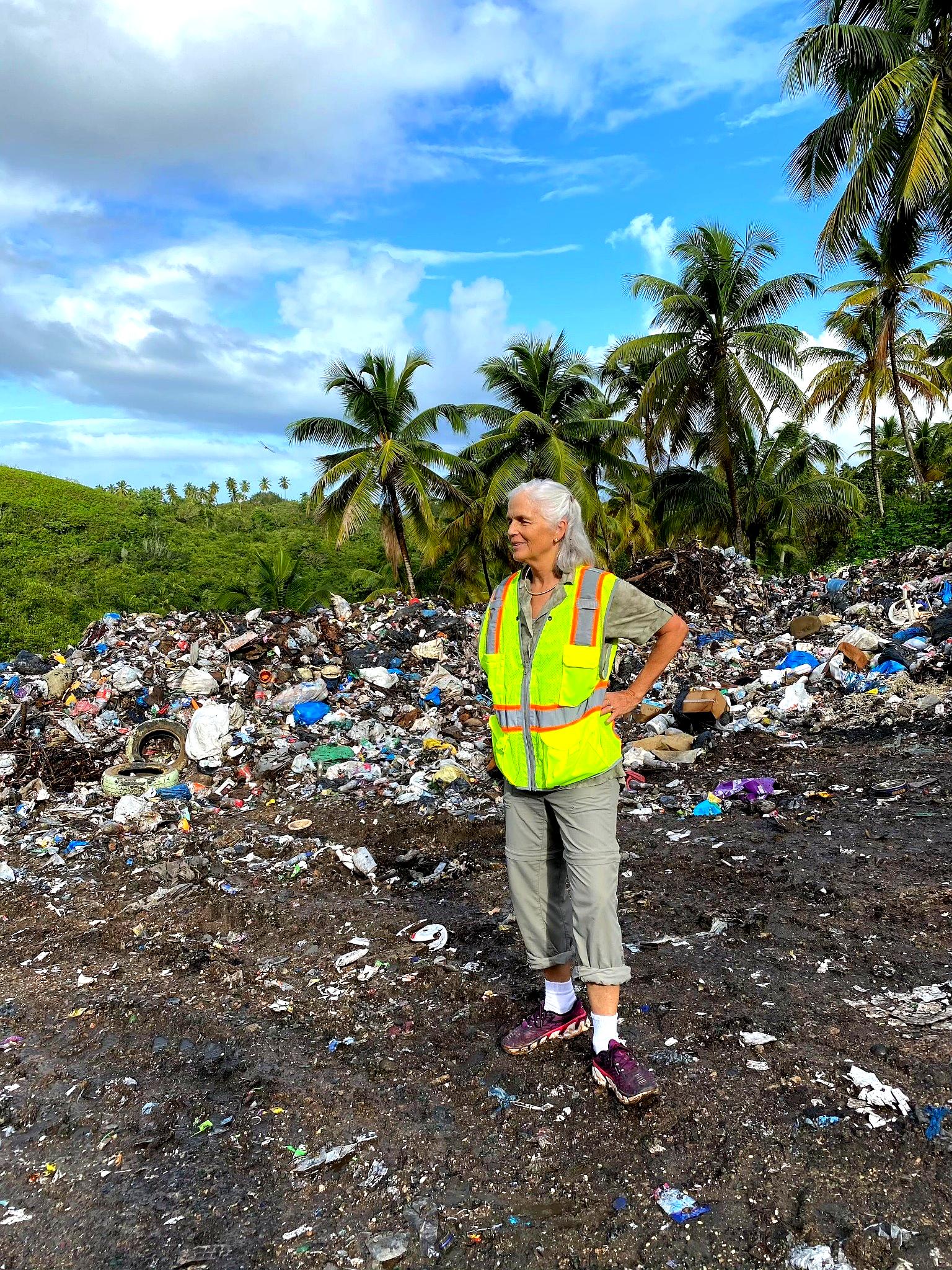
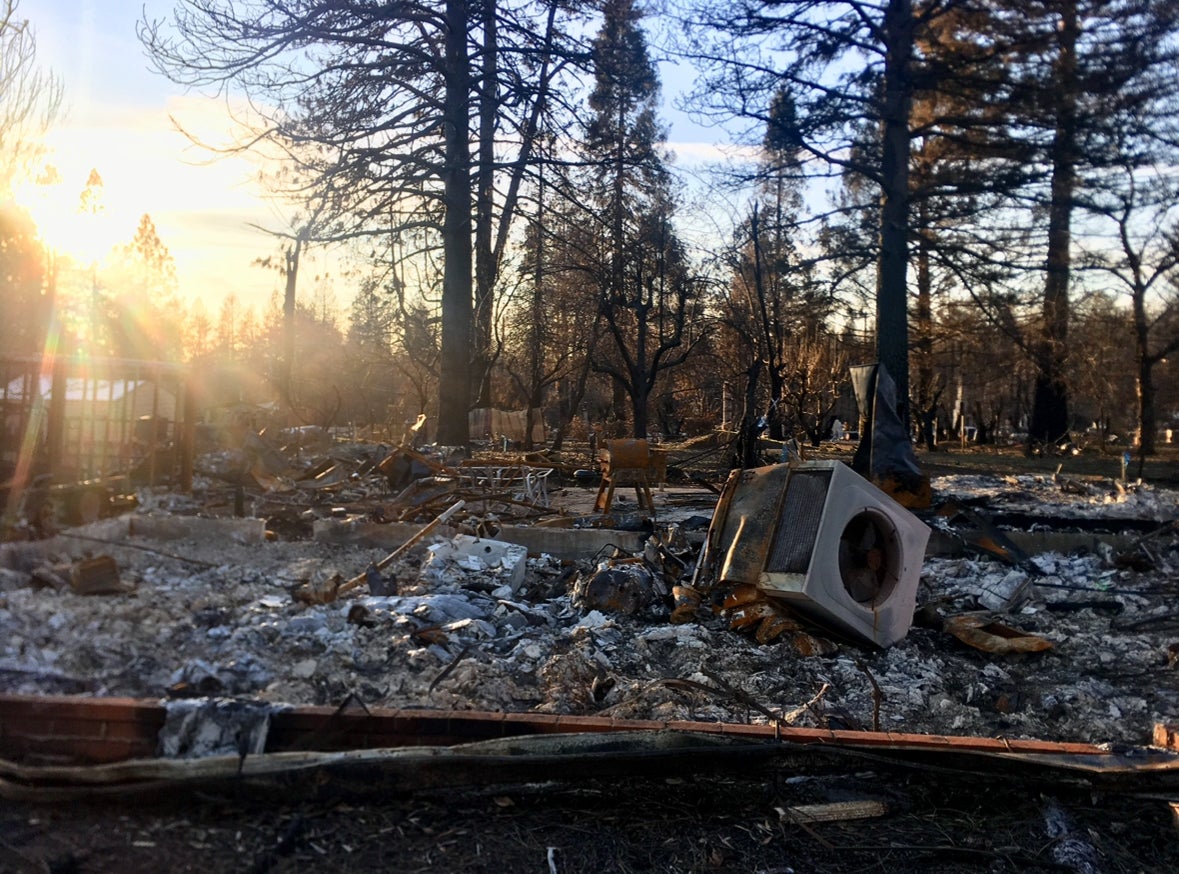
As humans respond to climate change, these challenges increasingly occur at the intersection of the environment and human health. The driving force for this program design is the recognition that our future calls for leaders with foundational knowledge to understand these challenges and lead their resolution—grounded in Georgetown’s Jesuit values of service, social justice, and care for the whole person and planet.
What makes us different
Get a career advantage with a degree from a top-tier university that brings together environmental science with public health and the skills employers care about. You’ll work with world-class faculty while you take advantage of unmatched access to Washington, DC. Pursue solutions to the climate change-driven consequences to public health in the heart of where environmental and health decisions are made and solutions are shaped.
Explore careersMS-CEH is an interdisciplinary program focused on cross-cutting theme. This program is the first of its kind to fully synthesize scientific, policy, and process methods across environment and health-related subject areas. Students will:
The complex challenges that lie at the intersection of environmental change and human health necessitate a versatile group of professionals. Backed by cutting-edge research and committed social engagement, this program equips students with scientific, process, policy, finance and project planning evidence and skills that are synthesized across the Environment & Health fields, with a lens of resolving complex public problems driven by a changing climate. Students are expected to finish this program equipped with the theoretical foundation and practical skills to address the detrimental health impacts of environmental change, with a particular focus on impacts to vulnerable frontline communities.
The essential and differentiating hallmark woven throughout the MS-CEH program is the deliberate focus on evidence-based process design, which brings together multi-stakeholder perspectives and coalesces a diverse array of viewpoints across sectors and disciplines. Students will be taught to lead stakeholders in designing collaborative, inclusive, and multifaceted solutions that take into account the multitude of viewpoints necessary to adapt and mitigate. By capitalizing on the synergies between the School of Health and the Earth Commons Institute for Environment & Sustainability, this program builds on a shared commitment to improving the human condition at the local, national, and global levels.
The Master of Science in Climate, Environment & Health has five program-wide core competencies that students are expected to master over the course of the degree. Each competency is broken down into learning outcomes, which in turn involve mastery of knowledge, skills, and values in order to achieve a competency.
The School of Health addresses human health and well-being to understand the interconnections among the most challenging issues of our time, and to find solutions.
The Earth Commons accelerates action on the most pressing issues of our earth through education, research, and action at Georgetown and beyond.