Building a Career at the Intersection of Climate Change and Global Health: Meet the Leader Shaping Georgetown’s New MS in Climate, Environment & Health Program
Keaton Nara (C’22, G’27)
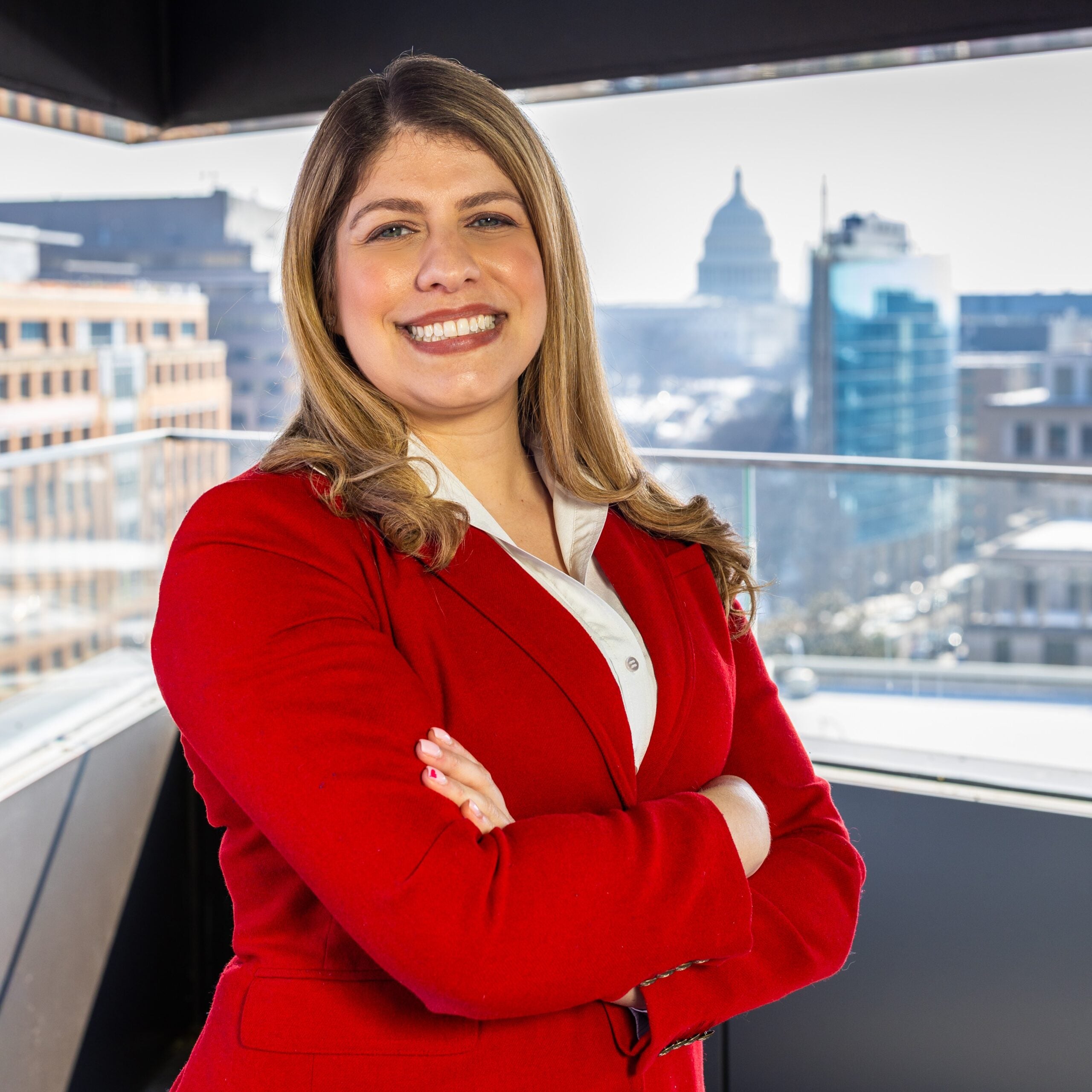
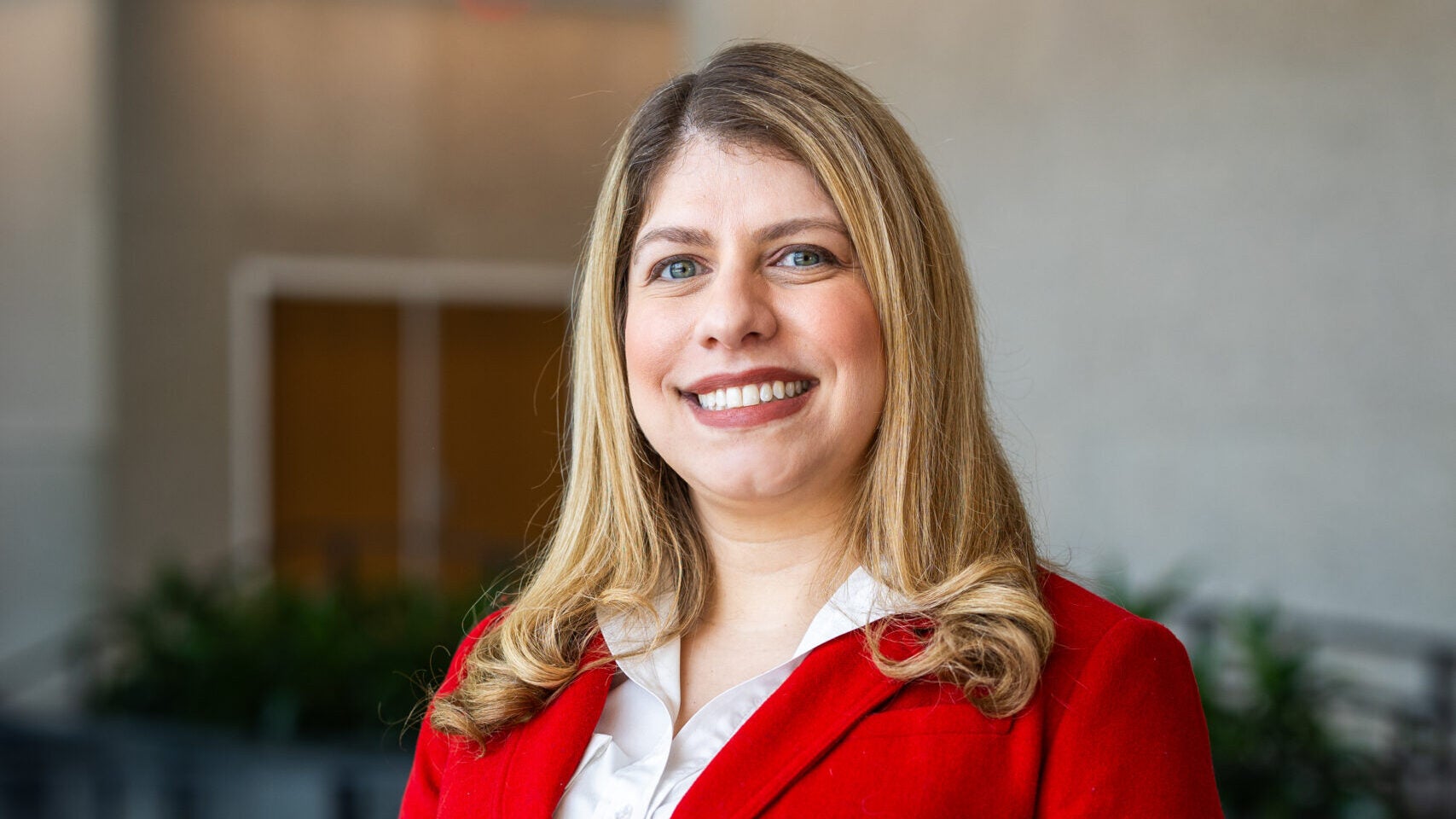
As global health challenges grow more intertwined with environmental change, Georgetown University’s new Master of Science in Climate, Environment & Health (MS-CEH) launches under the leadership of its inaugural Program Director, Deise Galan, DrPH, MPH, whose vision centers on preparing students to serve both people and the planet.
Galan believes that in the next decade, attending to human health will require attending to the environment in ever-increasing measure. As an Associate Professor at Georgetown’s Earth Commons Institute and the School of Health, Dr. Galan is one of the few prepared to bridge these fields. She argues that a healthy planet will need leaders in healthcare and environmental stewardship who are fluent in interdisciplinary training that marries the two seemingly disparate disciplines. Experts training in this intersection are in desperate demand, but hard to find, creating the foundation that MS-CEH students will explore in this 10-month degree program.
“We’re talking about anything from extreme weather events to displacement of populations, infectious disease dynamics, food and water insecurities,” says Galan. “We even need to address the mental health impacts of climate related problems.”
Students in the MS in Climate, Environment & Health program graduate with practical skills in interdisciplinary problem-solving, data analysis, and collaborative decision-making to address complex challenges at the intersection of climate change, environmental systems, and human health.
An Interdisciplinary Approach Shaped by Global Health Experience
It was during her time at the Pan American Health Organization where she acted as a consultant to support countries facing high-risk infectious diseases that Galan witnessed the importance of this intersection. She worked alongside a team of medical professionals, epidemiologists, biostaticians, and decision-makers to examine how climate change and ecosystem disruptions are influencing infectious diseases.
“The only way to build a sustainable and healthy future is through transdisciplinary collaboration and integrated approaches.”
Deise Galan, Director, MS in Climate, Environment & Health
“That experience was transformative for me,” says Galan. “It solidified my belief that advancing public health in a changing climate depends on breaking down institutional and sectoral silos. The only way to build a sustainable and healthy future is through transdisciplinary collaboration and integrated approaches.”
Galan has continued to carve her own career path situated at this intersection. “I’ve worked closely with local, state, federal partners in strengthening public health systems and working in projects that really translate the most recent findings and data into public health action.”
In her previous role as a Lead Program Analyst at the National Association of County and City Health Officials, Galan collaborated with health departments across the country to respond to the unprecedented challenges of the COVID-19 pandemic, bringing together environmental engineers, epidemiologists, public health officials, local utilities, and laboratories. These teams explored how wastewater surveillance systems could allow communities to detect infectious disease trends—including COVID-19—before an extreme outbreak.
“Seeing how environmental data could directly inform public health decision-making reinforced for me the importance of interdisciplinary collaboration,” Galan explains. “Experiences like this continue to shape how I think about integrating environmental science and public health practice.”
Putting Equity at the Center of Environment and Global Health
Galan says that social issues are situated at the heart of the environmental-global health nexus. Not only are these topics of science, finance, and policy, but they are also issues of social equity, a central focus of the MS-CEH program.
“Equity is built in throughout the development of our coursework…especially working in this field, we’re thinking about working with those who are most vulnerable and affected by climate change.”
Expanding on her COVID-19 work, she says, “I witnessed the extraordinary dedication and resilience of the local public health workforce. It also reinforced for me the importance of translating scientific knowledge into practical public health action and communicating risk clearly, especially during times of uncertainty.” Galan says.
“Equity is built in throughout the development of our coursework…especially working in this field, we’re thinking about working with those who are most vulnerable and affected by climate change.”
Training Students Beyond the Classroom
Galan aims to use her experience in these fields to inform her leadership approach in this directorial role. “I want to focus on making sure that students leave the program ready to face this complex and evolving environment that we’re currently living in,” she says, emphasizing how her previous experience mentoring students demonstrated how “powerful the classroom can be as a launching point.”
With a curriculum consisting of field trips to Chincoteague, an island off of Virginia’s Eastern Shore, guest lectures from leading policymakers, courses from environmental financing to toxicology, and self-devised capstone projects, students will leave the degree prepared for their own unique career pathways.
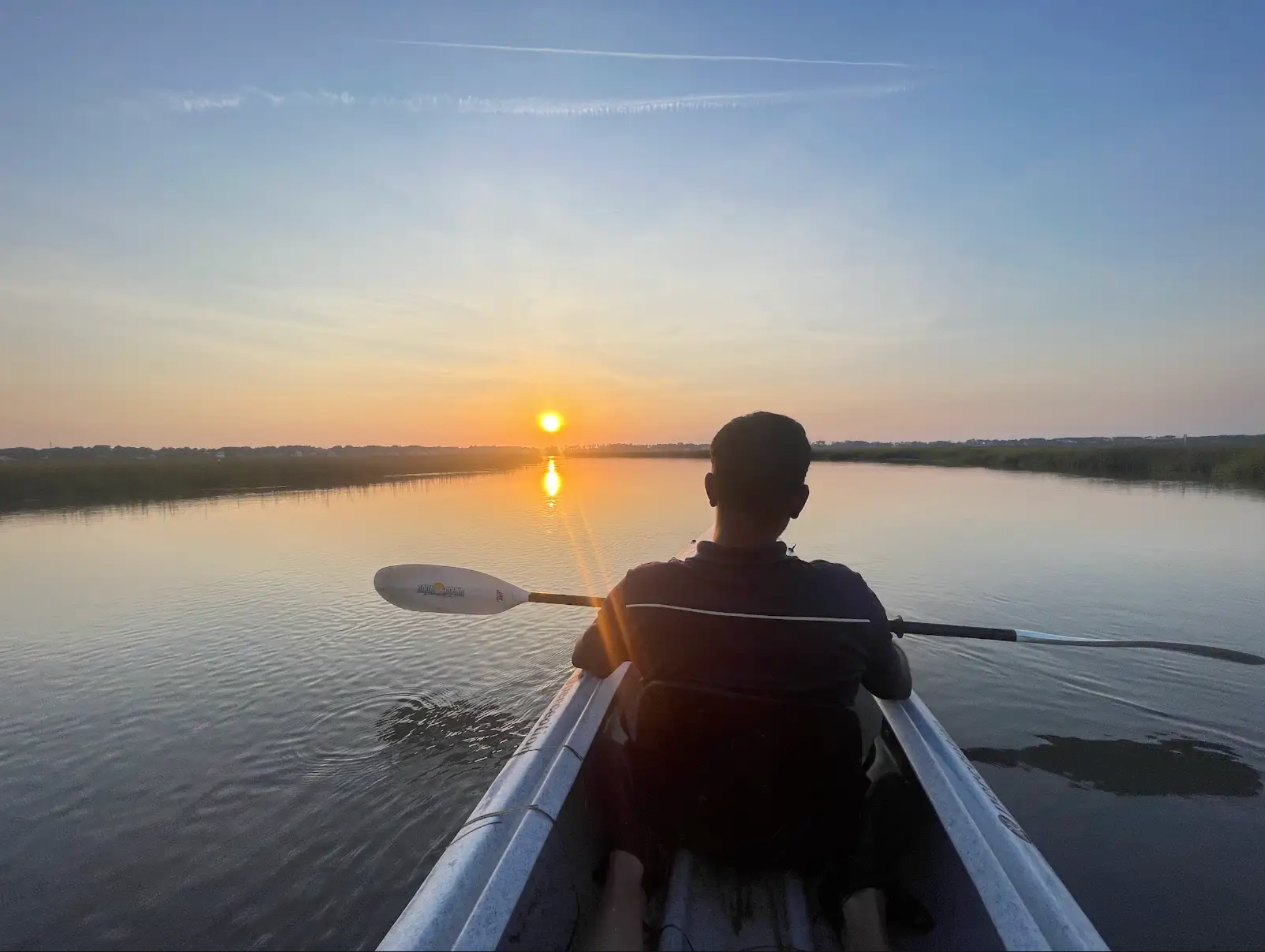
Students in the MS in Climate, Environment & Health will have the opportunity to explore the intersection of community needs, environmental change, and public health during a field immersion on the island of Chincoteague, Virginia.
Slide2 of 3
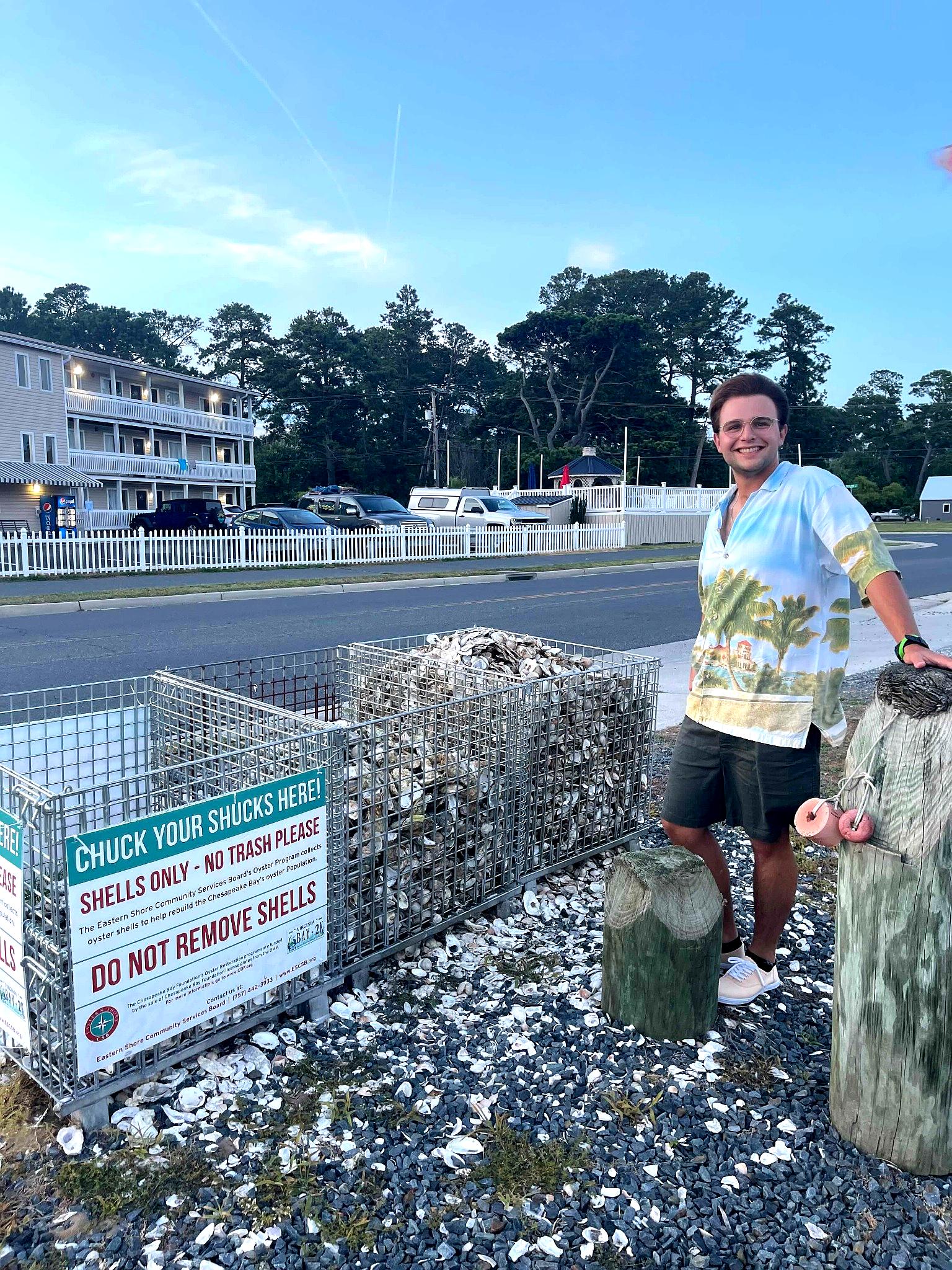
Wyatt Williams participates in a Nature Conservancy and Chesapeake Bay Foundation initiative recycling oyster shells to repopulate oyster populations—vital filter feeders that help keep the bay’s waters clean.
Slide3 of 3
Students in the MS in Climate, Environment & Health will have the opportunity to explore the intersection of community needs, environmental change, and public health during a field immersion on the island of Chincoteague, Virginia.
End of carousel collection.
Galan concludes with a passionate message: “To be able to work with the next generation of leaders who will be shaping the decisions that will affect all of us, it’s really an honor to be part of that process, and be able to not only work with the students, but learn with them throughout this process about how to solve this complex challenges across climate, environment, and health.”
Explore More
Apply to join the next cohort for the MS in Climate, Environment & Health