
What became clear is that we needed a program that didn’t just study these issues, but trained students to work across sectors, engage communities as partners, and design interventions in real-world contexts – Jessica Kritz
A Public Health Professor on the Need for a New Kind of Training for a New Kind of Crisis
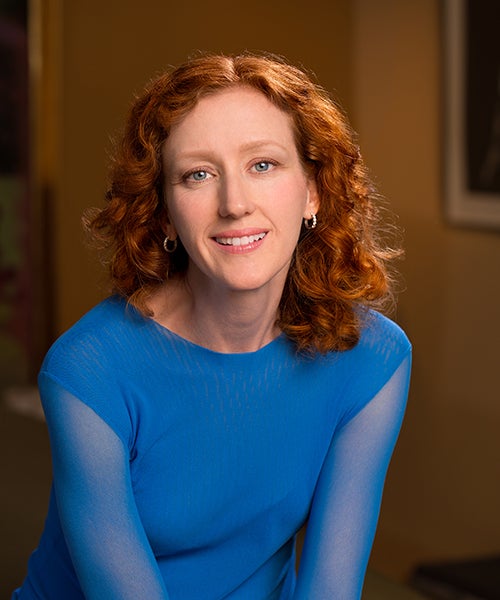
Dr. Jessica Kritz, Academic Co-Director and Assistant Professor for the Master of Science in Climate, Environment & Health (MS-CEH), shares how the program curriculum developed from an observed need to change how we approach and address the complex problems related to the environmental and climate change factors affecting public health.
With an extensive background in participatory action research and collaborative approaches to complex problem interventions, Dr. Kritz has engaged with and led many global projects to evolve how we address environmental and human health. Drawing on her experiences working to rebuild communities after wildfires, addressing urban environmental challenges, using human-centric AI grounding for data applications, and acting as a member of the GOGREEN global research team to re-analyze the data from fieldwork projects through the lens of co-creation governance, Dr. Kritz co-designed the MS-CEH to prepare students for an intersectional world.
Hear directly from Dr. Kritz on the importance of working at the intersection of climate, environment, and health, and how the MS-CEH is designed to prepare students for a career at this junction.
Was there a particular moment when you realized that a program like the MS-CEH needed to be created?
It wasn’t a single moment, but rather a convergence of experiences across my work. In both U.S. and international contexts, I kept encountering complex problems—flooding, waste, air pollution, displacement—that were being addressed in silos, even though communities were experiencing them as deeply interconnected.
At the same time, students were increasingly asking for ways to engage with these intersections in applied, meaningful ways. What became clear is that we needed a program that didn’t just study these issues, but trained students to work across sectors, collaborate with communities as partners, and design interventions in real-world contexts. The MS-CEH grew directly out of that need.
How has your work experience illustrated the intersection between climate, environment, and health?
My work consistently encounters a few core areas where these intersections are especially visible.
One is urban flooding and water management, where climate variability directly shapes sanitation systems, disease risk, and displacement. This has been illustrated repeatedly in the Accra project, a participatory action research project focused on how cycles of drought and flooding impact greater systems in Ghana’s capital. As droughts and floods destroy crops in neighboring regions, more communities are required to migrate to Accra in order to make money for food. Challenges related to water, sanitation, and environmental exposure can not be separated from governance systems or legal frameworks around human rights.
Similarly, in U.S. contexts, disaster response and recovery efforts revealed gaps between environmental planning, public health systems, and community realities. One example became visible in my hometown of Marshall, NC, with flooding caused by Hurricane Helene.
Another is air quality. Again in Accra, informal economic settings such as e-waste processing are places where environmental exposure translates into immediate and long-term health consequences. Also, I am a summer California resident, and in Northern California, I have been incubating a project for four years focused first on rebuilding after the Camp Fire—one of the most devastating wildfires in U.S. history—and the cascading effects it had on surrounding communities, particularly Chico. The region has had two serious fires since then, and although they have few individuals experiencing homelessness as a result, the community nonetheless is still dealing with the aftermath.
What was your work in Accra focused on?
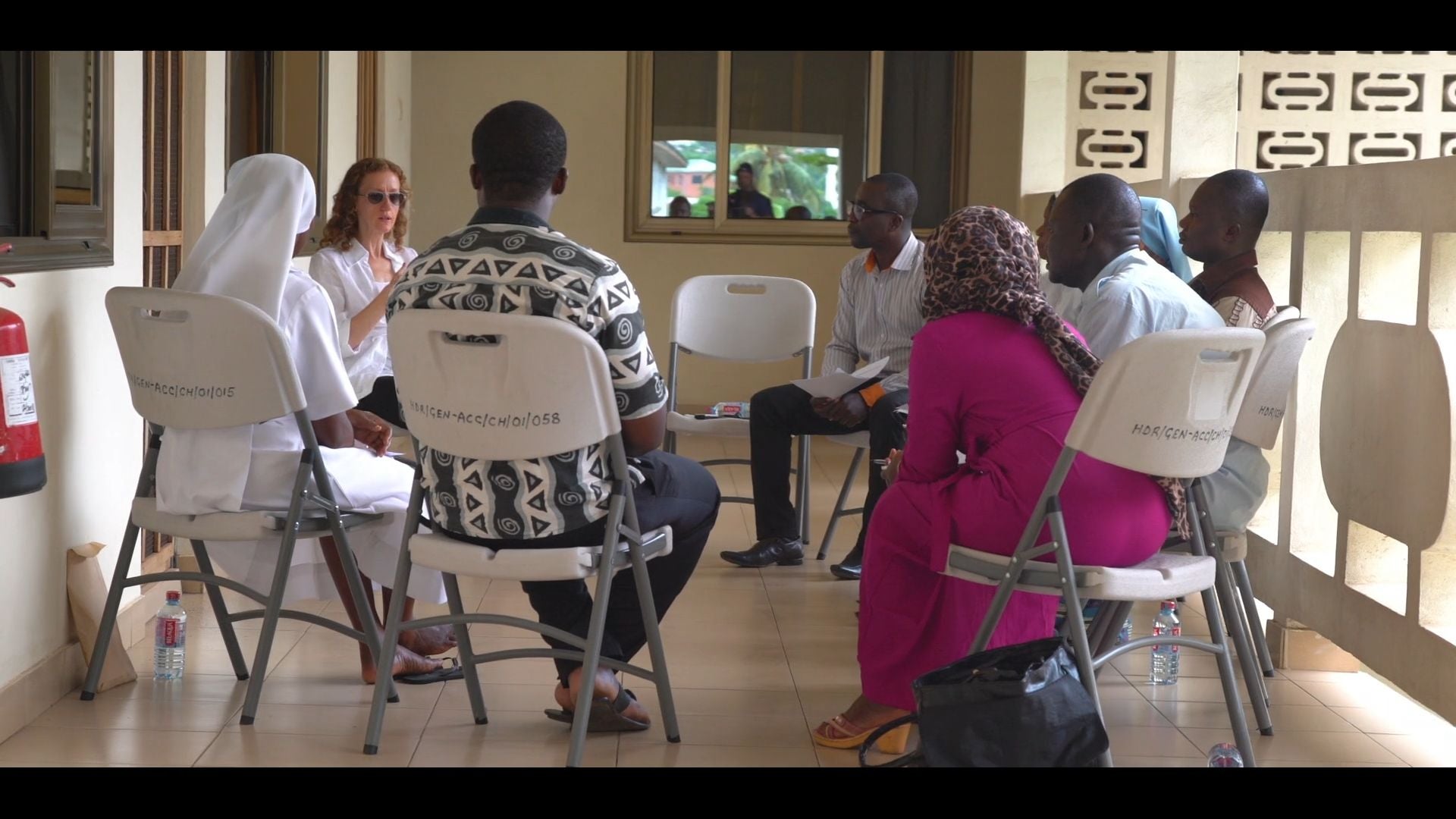
My participatory action research in Accra began with a fundamental question: why do so many well-intentioned development efforts fail to produce sustained improvements in people’s lives?
This led me to critically examine what I refer to as the “development industrial complex”—a model of international assistance that tends to rely on top-down planning, external expertise, and despite attempts at improvement, limited engagement with the communities most affected. I wanted to understand what it would look like to do this differently, using evidence-based approaches to collaboration and governance.
In Accra, particularly in Old Fadama, this meant building long-term relationships with community members, local organizations, and government actors, and working together to build cross-sector collaboration to create stakeholder alignment, and then to co-create solutions around water, sanitation, and environmental health. Over time, this work expanded beyond service delivery to include the role of legal frameworks—particularly human rights—in formalizing planning processes and strengthening accountability.
This experience became foundational to my Administration and Human Rights (AHR) framework, which examines the intersection of public administration, law, and human rights, creating implementation frameworks for human rights in administration.
Can you tell us about a particularly impactful time when you supported a student in pursuing a career path related to this intersection?
One of my former students is actually now a part of staff leadership at a city department of parks and recreation. As a graduate student, they excelled in my Urbanization, Health and Environment course, which in many ways served as an early learning lab for what would eventually become the MS-CEH program.
In that course, we approached urban challenges not as isolated technical problems, but as complex systems requiring cross-sector collaboration, stakeholder alignment, and community engagement. This student applied that mindset in their first job, and began working across divisions and sectors within their city’s parks, building relationships and navigating institutional silos in ways that made their contributions indispensable.
What’s especially meaningful is that they have shared that the course helped frame how they understand their role—not just as a practitioner within a single agency, but as someone working across systems to solve complex public problems. That trajectory—moving from analysis to action, and from siloed work to collaborative leadership—is exactly what the MS-CEH program is designed to support.
What makes the MS-CEH program curriculum unique?
What distinguishes the MS-CEH program is its ability to integrate knowledge, skills, and mindsets across all of these fields.
We prepare students by familiarizing them with scientific methods for understanding environment and health, policy design methods, economics and financing, project management, data analysis and visualization. Students need to be well-versed in using these fields, but also prepared to adapt and apply concepts in different disciplines to address and resolve complex challenges. That is the nature of the work beyond the classroom.
Georgetown’s MS in Climate, Environment & Health
The immersive, field-based components are especially important. From the very beginning, students are working in real-world contexts, engaging stakeholders, and navigating the complexities of implementation. This prepares them to move beyond theory and into practice in a meaningful way.
The program treats climate, environment, and health as inherently interconnected, rather than as adjacent fields. It also emphasizes not just understanding problems, but designing and implementing solutions—what we refer to as intervention design and resolution. This emphasis on process design across government, non-governmental, and community sectors is the foundation, because in the “real world,” work across sectors is the ONLY way these challenges can be resolved.
What part of the curriculum are you most excited to teach?
I am teaching one of the foundational courses, Resolving Complex Public Problems in Environment and Health. It sets the tone for the entire program by immersing students in process design. What makes this course unique is its focus on cross-sector collaboration and co-creation. Students learn how to navigate conflict across sectors while also building forward-looking partnerships where communities are fully engaged as stakeholders. It’s an opportunity to develop both analytical and relational skills in a way that is difficult to replicate in a traditional classroom.
Skip the following collection of 3 photos and continue to the content immediately following.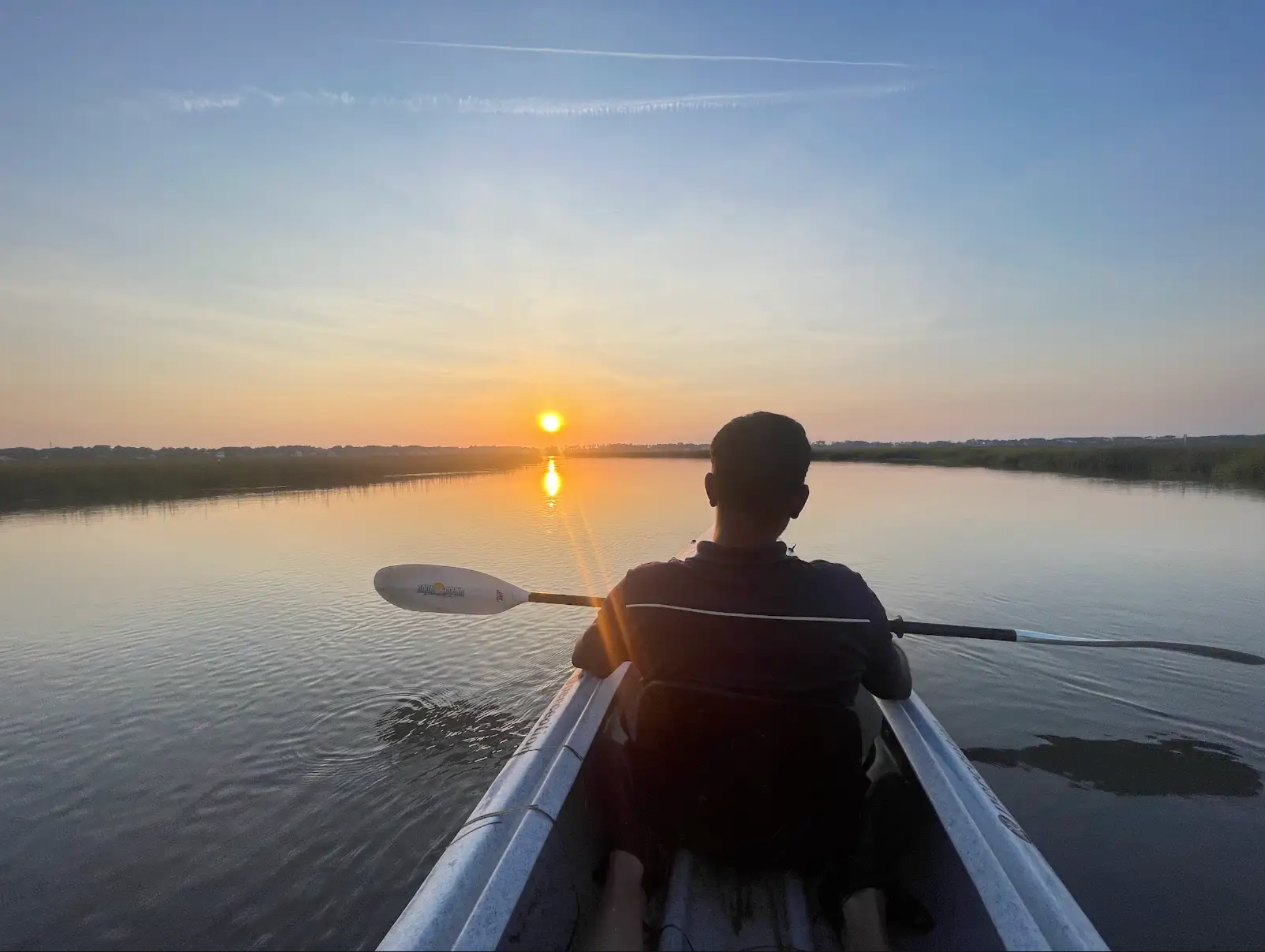
End of carousel collection.
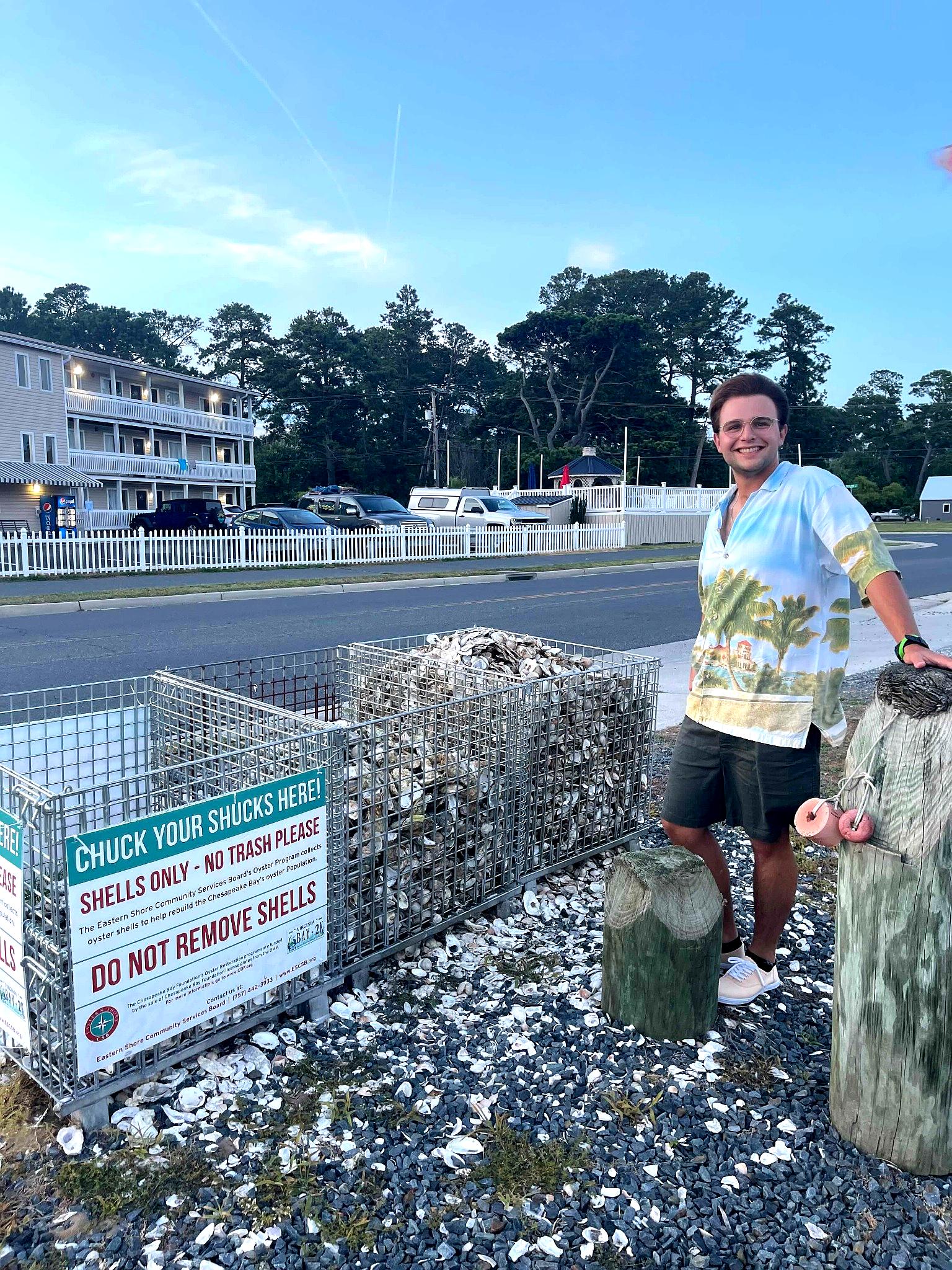
Engaging with a coastal community
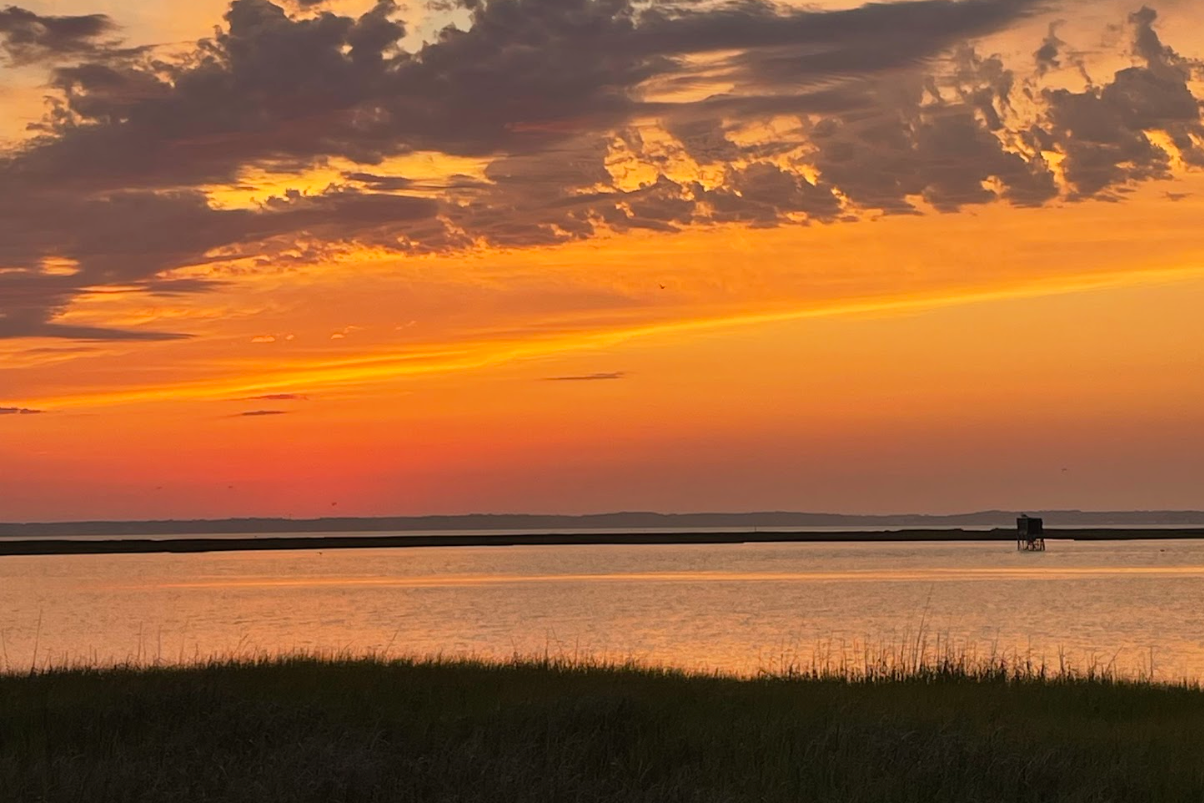
The experience in Chincoteague, Virginia is especially powerful because it brings students into direct engagement with a community facing climate-related challenges—such as coastal change, resource management, and environmental pressures that affect health and livelihoods.
Explore the curriculumStudents don’t just study these issues; they begin to work with community members to understand the challenges and how to collaborate to develop a response. Chincoteague will continue to be a learning lab throughout the program.